
07 Sep 2026
Before You Survey a Refinery, You Need a TWIC Card and a Cotton Undershirt
▶ Listen to this article — read by Drew
Before you run a wireless site survey inside a refinery, you need a TWIC card, flame retardant clothing and written approval for every device you plan to carry in.
That is the part nobody warns you about. Every habit from an ordinary site survey, bring your phone, walk where you like, drive yourself in, gets thrown out at the gate, and the credentialing, PPE and safety protocols that replace them are what keep you alive, H2S can cause you to stop breathing immediately, and there is no warning for it, and what keep you invited back. Here is what the process actually looks like, from the enrollment center to the badge reader on the way out.
Start with the TWIC card
The first thing you have to do is get a TWIC card, which is a Transportation Worker Identification Card. The enrollment runs in four steps:
- File the application online.
- Book an appointment at a local enrollment center. IdentoGO is the national brand.
- Sit the background check, answer their questions and give them thumbprints and fingerprints.
- A couple of days later, the card arrives in the mail.
It is the same service as TSA PreCheck, because it is part of TSA, and the relationship between the two goes one direction only. So if you get the TWIC, then that qualifies you to do PreCheck. But being pre-checked doesn't qualify you for a TWIC.
Once you have the card, that proves you can get onto the property unescorted, and that matters more than people realize. If you don't have a TWIC card, you require an escort from the facility, which means somebody from the plant has to walk with you the entire time.
What does the PPE list actually look like?
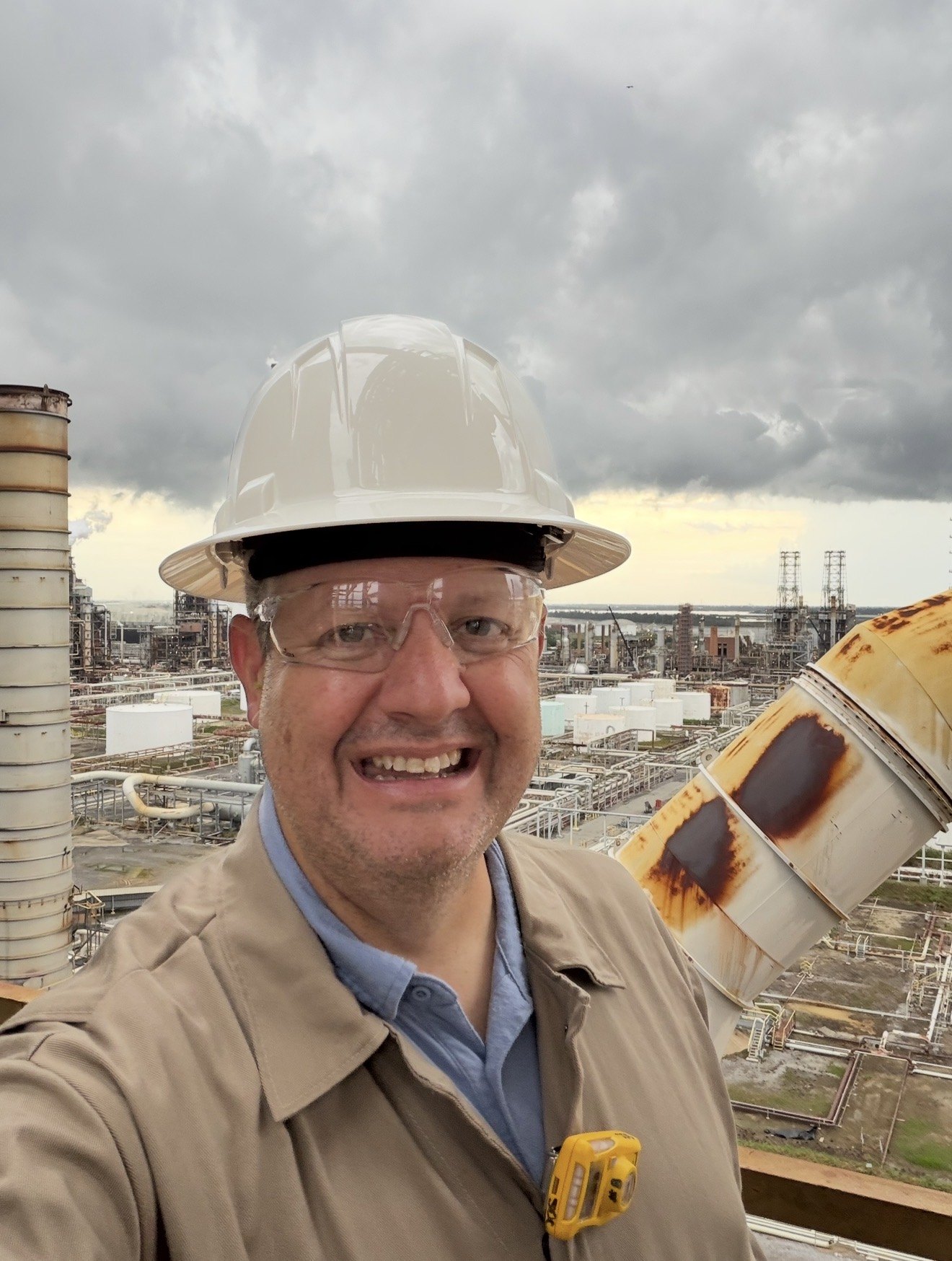
Then you need your PPE, your personal protection and safety equipment, which a lot of people just call safety. The kit is not negotiable:
- Steel toed boots.
- Eye protection, goggles or glasses. Sunglasses usually won't work, so you have to have the correct protective glasses.
- Hearing protection.
- A hard hat.
- A safety vest.
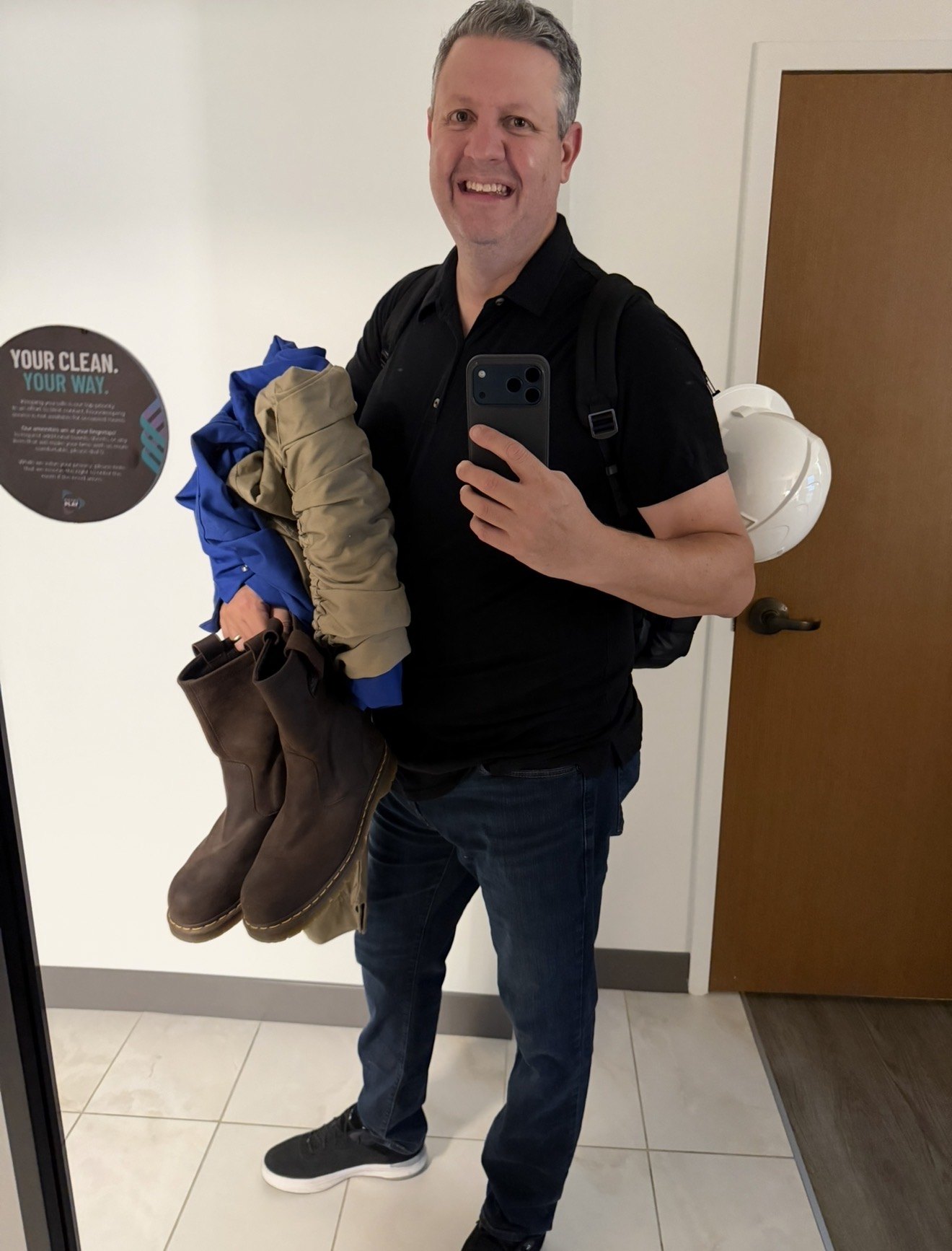
In some cases, if you are doing oil and gas, depending on the environment, you also have to have flame retardant clothing, either FR2 or FR3 level. There are two ways you can get there. You can dress up like a Ghostbuster, like I did, and you get a jumpsuit that covers everything, those are coveralls, but they're kind of expensive. Or you can get flame retardant jeans, Wrangler makes some, and pair them with a flame retardant shirt. Some places will inspect you for FR socks and even FR underwear, and if you are wearing an undershirt, it needs to be either 100% cotton or FR rated.
The reason for that last one is worth saying plainly, because if you're wearing a nylon or a spandex shirt, and you get involved in an accident, that will melt into your skin, just because of the heat. You definitely don't want that to happen, so a cotton undershirt goes a long way.
What happens at check-in?
When you show up at the site, there is a security check-in where they ask for your TWIC card and for the PIN that comes along with it, which you type into a keypad. They verify it, and they give you a pass to get on site. Before you can go out on site, you sit down for a six to ten minute training video that welcomes you to the facility and gives you the information about it. There is no test at the end, at least not that I have seen, but you are expected to be aware of what is going on, and it teaches you the basics of what is happening around you.
Depending on the size of the site, it might be better to be in a vehicle than on foot, so make sure the facility has a vehicle arranged. You cannot just drive your own car in unless you get approval, and that approval can be pretty strict, although sometimes they will just wave you in depending on who the security officer is that day.
Why is your phone contraband until somebody says otherwise?
You also cannot simply walk out there and take pictures. Cameras are not allowed inside facilities like this for a number of reasons, mostly worker safety and distraction, but also electrical discharge, and a camera phone is still a camera. If you are going to be taking pictures the way you would in a regular site survey, or using distance monitors, or carrying any other electronic device, you need written commitment from the safety officer that you are approved to bring it in, or they are not going to let you take your tools in at all. Even a spectrum analyzer, even something as simple as your phone, goes through safety first. A lot of people overlook that, because you take it for granted that you can just take your stuff with you everywhere you go.
What will actually hurt you out there?
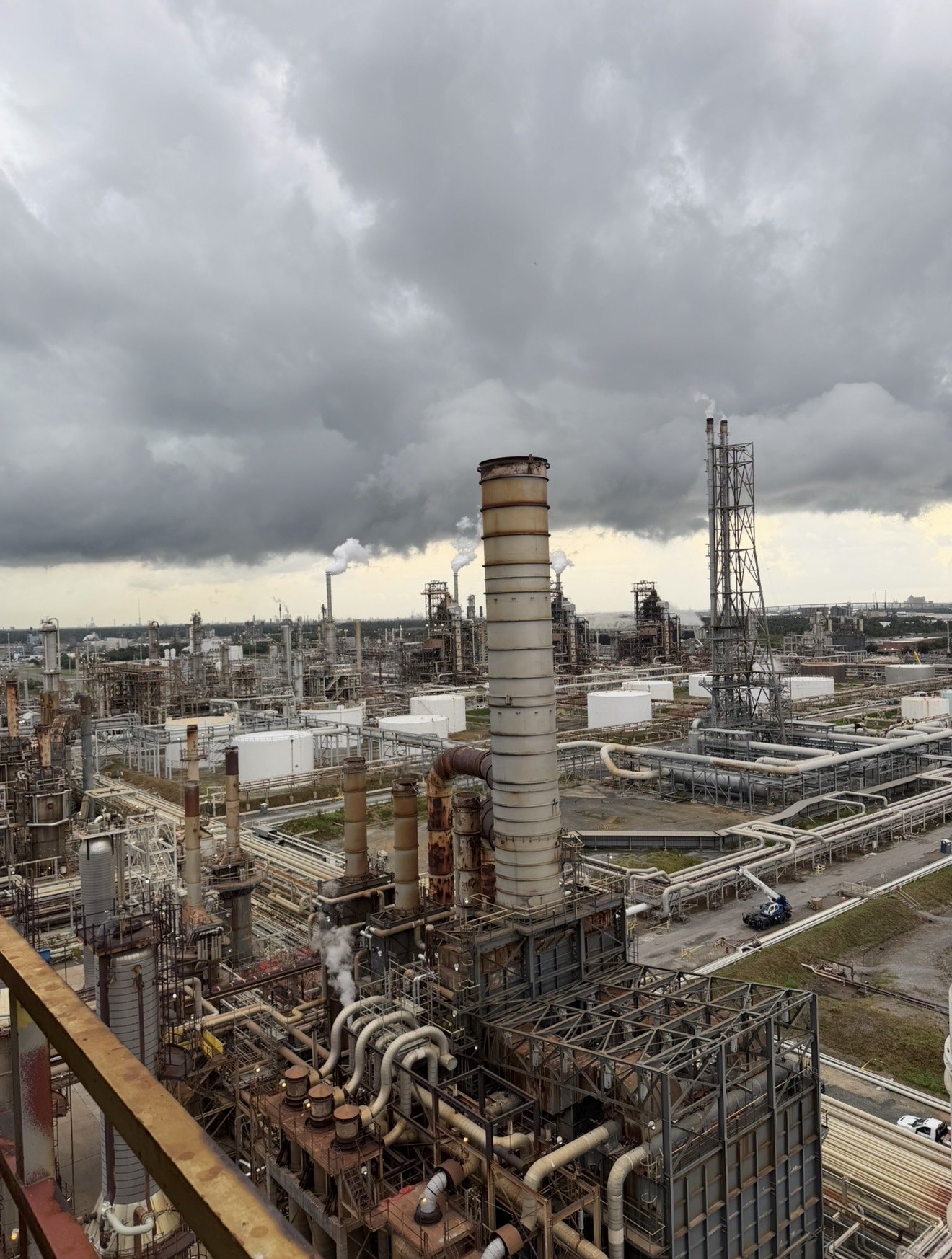
Do not go off the beaten path ever under any circumstances. There are things there that won't just kill you. They'll make you really, really sick. If you get close to them and you get exposed to some of the chemicals and toxins that are there, it can damage you.
Once you are on site, everything you see is there for your protection. If you see yellow bollards, stay inside them. If you see yellow chains, you stay on the outside of them, unless you are specifically going in there and you only go in there with an escort. Don't touch anything, don't touch any water, don't touch any liquids. Be prepared for places that get hot, because there is extreme heat when you walk by some of the units, and if it gets hot, try to stay away from it. If you see people working in those bright silver flame retardant suits, stay away from them as well.
If you see red and white tape, you need to get away from that as quickly as possible. H2S is dangerous and it can cause you to stop breathing immediately. And you'll die. There's no warning for it. That's why you wear H2S monitors.
They will usually lend you one at the facility. But if you don't turn it back in they will charge you about three to five hundred dollars for it, so an H2S monitor is something you might want to consider in your own safety kit.
Be aware, too, that usually once a week and sometimes twice a week, in the middle of the day, they run alarm drills or alarm testing. Even if you know it's coming, even if you're prepared for it, it will still freak you out a little bit.
How do you get usable survey data in that environment?
When you are surveying, it comes down to having the right tool set for whatever instrumentation you were approved to carry, and collecting the right data with it. If you are driving, maintain whatever the posted speed limits are and pay attention to all the traffic rules, the four-way stops included, because a lot of people take for granted that everyone else is paying attention. If somebody knows it is their turn to go and pulls out in front of you, you might be met with a large tanker truck, and that could cause some serious accidents.
Make sure the readings you are taking are appropriate to what you are being asked to solve. If you are in a vehicle taking readings for frequencies that don't permeate the windows or the structure of the vehicle, bring an adapter with external antennas so you can mount it on the outside, especially if you are surveying for people who are going to be standing outside the vehicle. If you are serving outside, take the readings outside, and if you are serving inside, take the readings inside.
People want immediate results here the same way they do on any other survey, so be prepared that at the end of the walk you can sit down, get your thoughts together and produce something quickly that they can look at to get an idea of what you are doing. It is always a good idea to debrief the customer who is there at the facility, so they know you went in, you saw everything they needed, and then you turned around and left.
Badge out, or you don't get asked back
That goes hand in hand with badging. When you get a temporary badge, badge into everything everybody else badges into, the facility, the gates, the buildings, and make sure you badge out as well. They run safety checks and security checks, and if they see that someone has badged in but not badged out, that can cause problems for the plant. If you cause problems for the plant, the likelihood of being invited back is very small, so if you want to keep a good relationship with your customer, you follow all of those protocols.
The thing I have learned doing these is that those safety protocols aren't just there for them and for their insurance purposes, they're there for you.
Do this
- Get a TWIC card before you need one: apply online, sit the background check, give your prints and wait for the mail.
- Buy the full PPE kit, steel toed boots, proper eye protection, hearing protection, hard hat and safety vest, and add FR2 or FR3 clothing with a 100% cotton or FR-rated undershirt.
- Get written approval from the safety officer for every electronic device you plan to carry in, including your phone.
- Arrange a site vehicle in advance, and bring external antenna adapters if you are taking vehicle-based readings.
- Stay inside yellow bollards, outside yellow chains, and away from red and white tape, and consider carrying your own H2S monitor.
- Badge in and badge out of everything, the gates, the buildings and the facility, and debrief the customer before you leave.
Want this kind of thing weekly, in audio? That's the show.