
28 Jul 2026
A Town of 6,000 Just Rebuilt the Facade Grant for the Internet
▶ Listen to this article — read by Drew
When people think about innovation, one of the things they don't think about is small, nimble communities in South Texas, especially in the rural areas. Down here in the Rio Grande Valley, Hidalgo County is one of the most economically challenged areas in the entire country, and people usually equate that with the inability to do something rather than with the ability to be creative.
Elsa is doing exactly the opposite. Their EDC director is leveraging technology in ways that benefit the community that even the bigger cities aren't thinking about yet, and he's doing it by being nimble, by being creative, and by using not just the AI components available at his fingertips but also partnerships with groups like VTX Broadband to bring fiber and free public Wi-Fi into community areas.
So I called Daniel Rivera, the EDC director, and asked him to explain what they built.
I don't wanna just move the needle with AI. I wanna make waves., Daniel Rivera, Elsa EDC
What is a digital facade program?
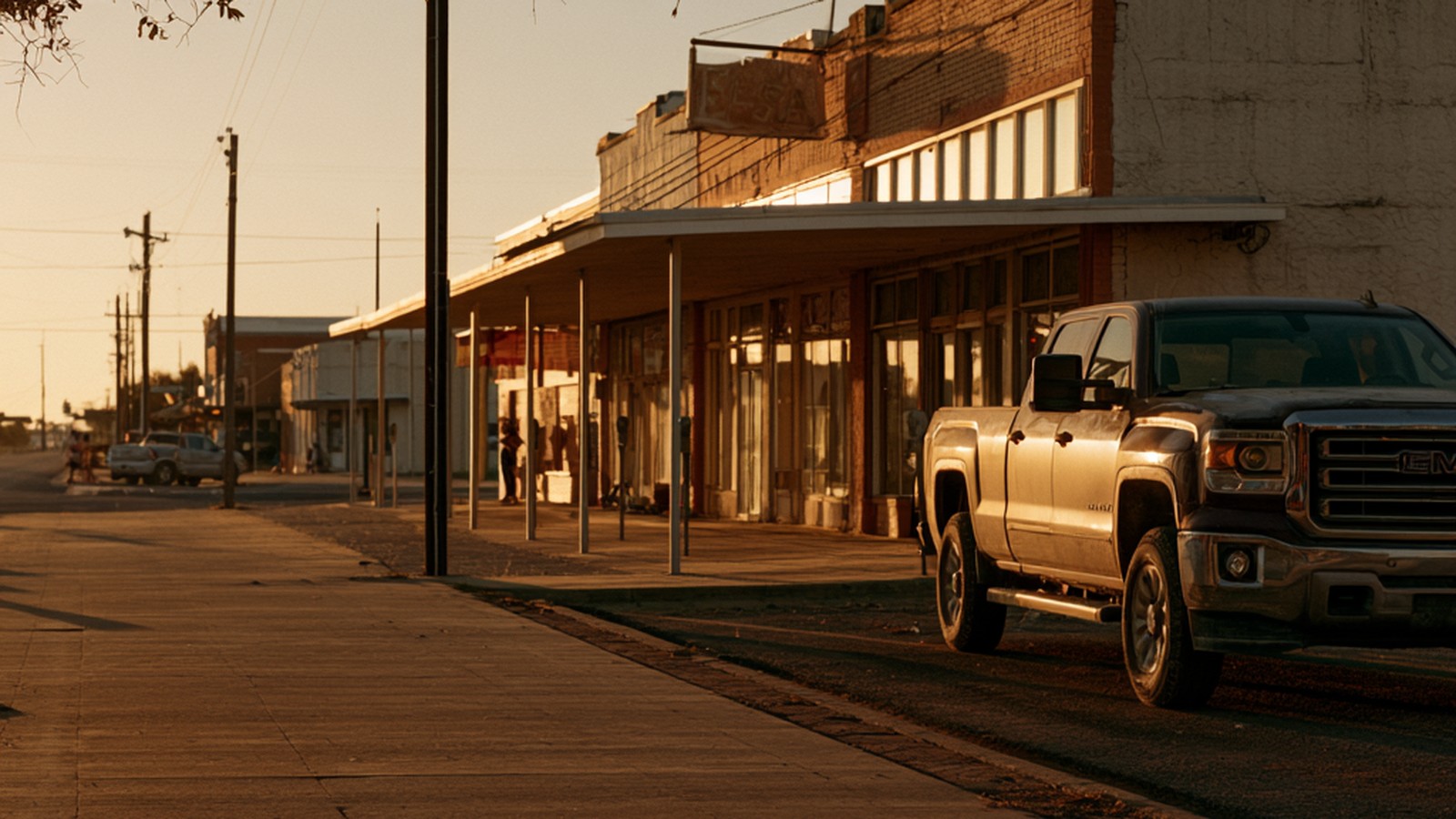
Every economic development corporation runs a facade program, and every one of them works roughly the same way: the city puts money into paint, landscaping, signage, the front of the building. Daniel's argument is that the premise expired.
"We live in a world now where people don't just drive around looking for a pretty facade and think, let me try this place," he told me. "They open up their phones. They Google something like places to eat near me, places to shop near me, and they look at the digital facade, that is the Google profiles, and how they're listed, and then the ranking they're listed in."
So Elsa scanned every business inside the city limits and gave each one a score from zero to a hundred, graded against Google's own best practices. Do they have a website, a phone number, an address? Do they have reviews? Do they have photos? Is there a solid enough online presence to get them moving in the right direction?
Then they walk into the business and hand over the report card.
"A lot of times they're kind of shocked that their number's so low," he said, "or they feel like they haven't done a good job with it, or haven't touched it in a while. And when they see the number, it's an eye opener, where they feel like okay, now it's time to get serious."
What happens after the score?
This is the part that separates it from a dashboard, and it's why it works on a main street rather than in a strategy deck.
Each score comes with a diagnosis of what specifically to fix, and the same number means different things for different businesses. "Two different businesses can score sixty," Daniel said, "but the different things for those businesses may be photos and reviews, and another one may be a website and a listed phone number."
Every diagnosis ships with instructions to self-remedy. If the owner would rather not, they book an appointment and Elsa's staff either come to the business or sit down with them at the office and walk them through it. "We hold their hand through everything if they're confused," he said. Bigger organizations rally whoever handles their technology; single owners usually hold the keys to Google themselves.
"We're honestly just trying to get everyone to nineties."
The target is fifty businesses in ten weeks. They were closing on the halfway mark within the first couple of weeks, which is the part he credits to AI: a small team doing considerably more with less.
Why is this cheaper than a facade grant?
A traditional facade grant runs somewhere between five and fifteen thousand dollars per business, and Daniel notes that some cities in this region have recently announced programs at sixty thousand dollars per business. That's one line item, for one storefront.
The digital version covers an entire business community for a fraction of a single one of those grants. He was careful to say the structuring and pricing aren't finalized and he didn't want to lean on the numbers, which I'd rather report accurately than dress up. The shape of the argument is what matters: one grant helps one business, and roughly the same money touches every business in town.
Why do programs like this usually die?
I've watched a lot of technology money get spent badly in the Valley, and the failure is almost never the launch.
Hidalgo County went out for a Wi-Fi project to provide free coverage in some of the economically challenged parts of our community. They did it with a little bit of money they got to try to solve a problem, but what they didn't think through was the overall cost of support, how long it would take, and what was involved. So now there are millions of dollars of equipment sitting on light poles that isn't being used, because nobody thought through what it would take to support that into the future or made the commitment to.
What's different here is the support tail, or the lack of one. Elsa's EDC isn't installing something that keeps charging these businesses down the road. Once a business owner understands how to update their Google profile, work with their reviews, and submit their location, they can only get better at it over time. There's no hardware on a pole waiting for a maintenance budget that never arrives.
Daniel sees the same failure from the inside, and named it more precisely than I did.
"A lot of people get excited about ribbon cuttings," he said. "The problem is how do you continue the momentum. Anyone can start a business. The hard part is keeping and sustaining the business for a long time. Programs die all the time because they dream big, they secure maybe a grant or some funding, they put all this infrastructure into something, and then a year later, two years later, things fall apart."
His answer is to build the sustainability in from the start, which is why he wrote the software himself rather than buying a platform. It's now a product he white-labels, and the digital facade program is launching in three more cities: one in North Texas, one around Houston, and another Rio Grande Valley city alongside Elsa. Each EDC can rename it to match programs they already run.
What does the connectivity side have to do with it?
None of this works if people can't get online, which is where the partnership with VTX Broadband matters. One of the largest fiber and internet providers in our area came into a relationship with the community to help build out community Wi-Fi networks, and that's genuinely inspirational, because it shows a service provider wanting everyone in their community to have access rather than only the customers who can already pay for it.
There's a long-running conversation in bridging the digital divide about the four legs of a stool. You need equipment. You need services. You need education. And you need people to actually understand how it works. With all four integrated, a community like this can thrive in a digital economy, and when a local public-private partner is contributing a couple of those legs, that makes a real difference to whether a program like the digital facade succeeds at all.
Do this
- Google your own business the way a stranger would. Search "places to eat near me" or your category, and look at where you land and what your profile actually shows. That ranking is your facade now.
- Fix the four basics first, which are website, phone number, address and hours, then photos, then reviews. That's the order Google's own best practices reward.
- If you run an EDC or a chamber, price your facade grant against your whole business community. One storefront's paint, or every business in town getting found.
- Ask the support question before you fund anything. Who maintains this in year three, and out of whose budget? Elsa's program survives that question. The equipment on Hidalgo County's light poles didn't.
- Pair the program with the pipe. Scores don't help people who can't get online, which is why the VTX partnership sits underneath this rather than beside it.
- If you want the program itself, Daniel white-labels it through Rivera Educational Consulting and is happy to hear from other EDC directors.
FAQ
What is the digital facade score?
A zero-to-a-hundred grade for a business's online presence, measured against Google's best practices: website, phone, address, hours, reviews and photos. Elsa scanned every business inside the city limits and delivers each one a report card with a specific diagnosis.
How is it different from a normal facade program?
A traditional facade grant pays for paint, signage and landscaping on one building. This applies roughly the same money to the online presence of every business in the city, on the theory that customers now find you by searching rather than by driving past.
Can another city run it?
Yes. Daniel built the software himself and white-labels it, so each EDC can rename it to fit programs they already run. It's launching in three additional Texas cities.
Why does the support tail matter so much?
Because it's what kills these programs. Hardware projects need a maintenance commitment that frequently never materializes. A business owner who has learned to manage their own Google profile keeps getting better without anyone funding them.
Want this kind of thing weekly, in audio? That's the show.